When climate conversations are largely data-driven, what is the weight of poetry in conveying ecological grief? How can verse convey our deep connection to the land and call for change? What is the power of ecopoetry?
let’s make our planet greener!

When climate conversations are largely data-driven, what is the weight of poetry in conveying ecological grief? How can verse convey our deep connection to the land and call for change? What is the power of ecopoetry?
When climate conversations are largely data-driven, what is the weight of poetry in conveying ecological grief? How can verse convey our deep connection to the land and call for change? What is the power of ecopoetry?
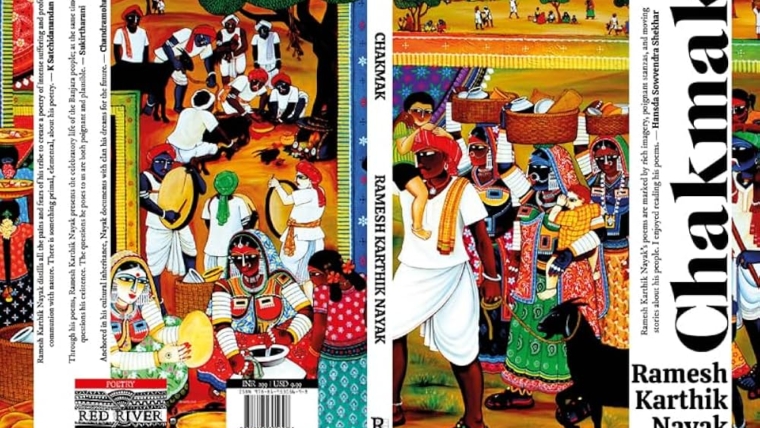
When climate conversations are largely data-driven, what is the weight of poetry in conveying ecological grief? How can verse convey our deep connection to the land and call for change? What is the power of ecopoetry?
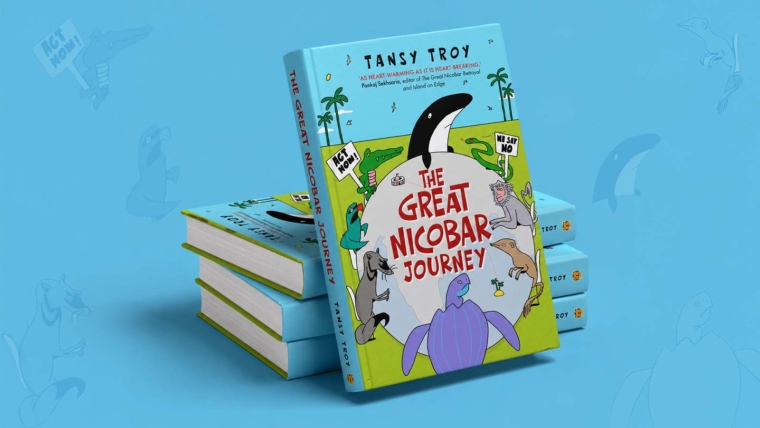
The Great Nicobar Journey by Tansy Troy, published by Talking Cub is a deeply empathetic story about friendship, resistance, and the fight to protect our one beautiful planet we know as home. In this adventure novel, a group of animals from the Andaman and Nicobar islands travel across mainland India to meet the decision makers in Delhi in a bid to save their home. Along the way they meet endangered animals, members from the tribal communities and allies.
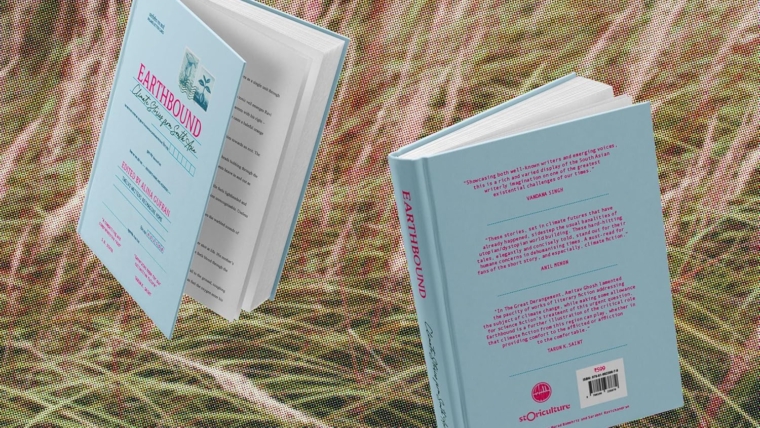
Seven writers from across the country came together one evening to discuss the many facets of climate fiction. Earthbound: Climate Stories from South Asia, published by The Storiculture Company is an anthology of twelve stories by emerging writers from across India.
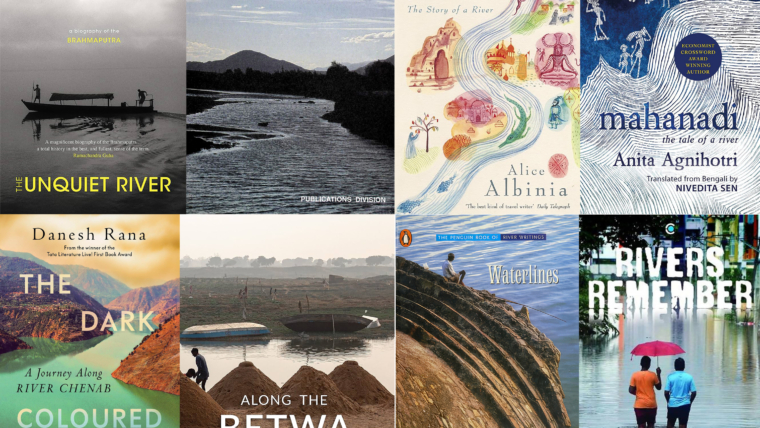
Rivers – the birthplace of civilisations, the carriers of history, the protagonists of many myths, and also the seats of many a conflict and resolution. What secrets do they carry? Here are some of our favourite books on Indian rivers – from tracing history, to contemporary commentary, these books give a lot more insight into our rivers that are the nation’s lifelines.
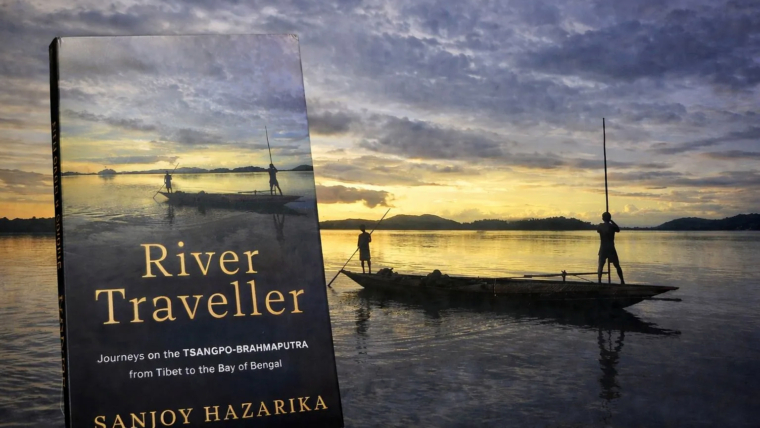
An intimate portrait of one of the world’s largest and widest rivers, River Traveller by veteran journalist Sanjoy Hazarika chronicles the author’s journeys down the river over more than two decades. Charting through the course of the river from Tibet to Arunachal Pradesh, Assam and Bangladesh, documenting history and observing the lives of people depending on it for a living, this book touches on multiple subjects.
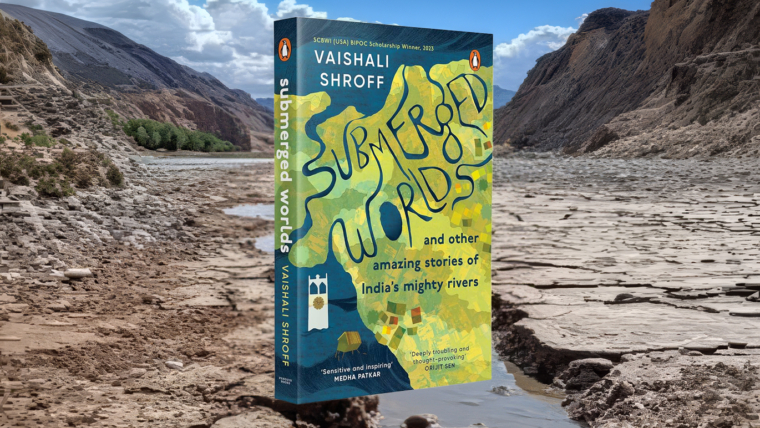
Did you know that humanity’s first mirror was a body of water? Long before metal and glass surfaces, our ancestors peered into rivers and ponds to see what they looked like without a fellow being having to groom them to their liking. This discovery was so captivating (as the Greek legend goes) that Narcissus, son of the river god Cephissus, was unable to look away when he caught sight of his reflection.
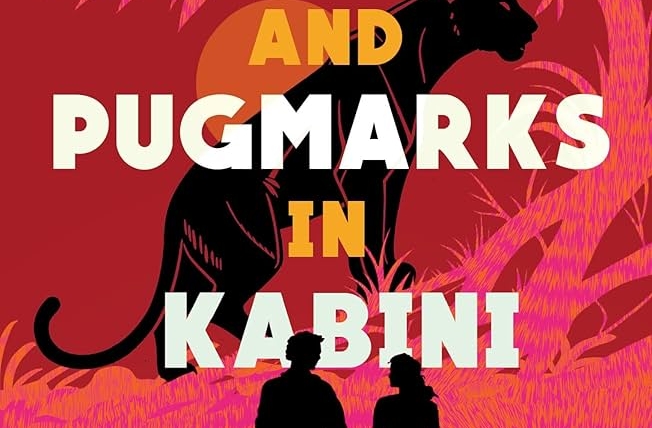
For many of us, especially readers of this newsletter, the call of the wild is more than just an earworm; it is a constant tug at our knotted hearts and wandering minds that propels us to commit to nature one way or the other. The decision to do my bit for nature through the written word was a recent one.…
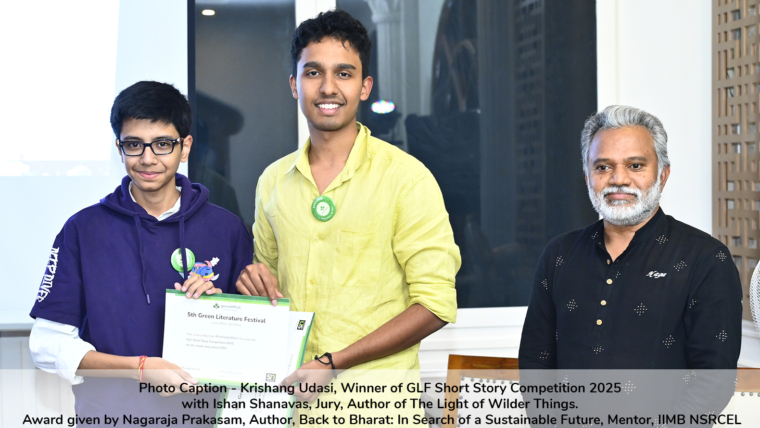
SOS was the winner of the GLF Short Story Competition for students aged 12 to 16, held in November. The winning story was chosen by celebrated author and conservationist Ishan Shanavas. Set in a dystopian future, SOS is narrated by a member of an evolved, novel species of technology-dependent humans. The story explores the gravity of the present when knowledge fails to translate into action.