When climate conversations are largely data-driven, what is the weight of poetry in conveying ecological grief? How can verse convey our deep connection to the land and call for change? What is the power of eco-poetry?
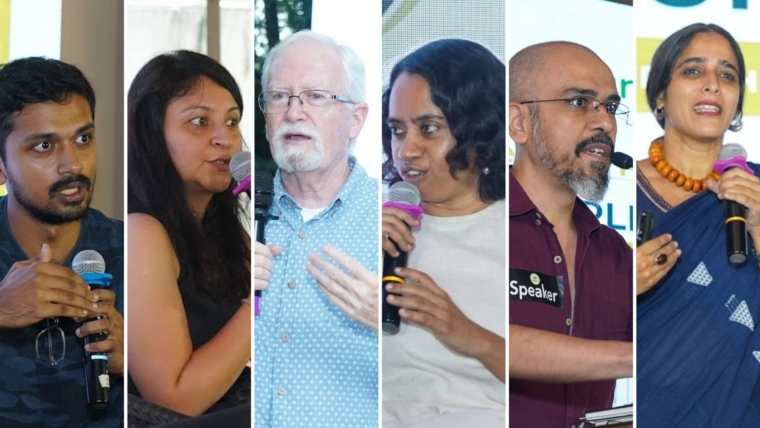
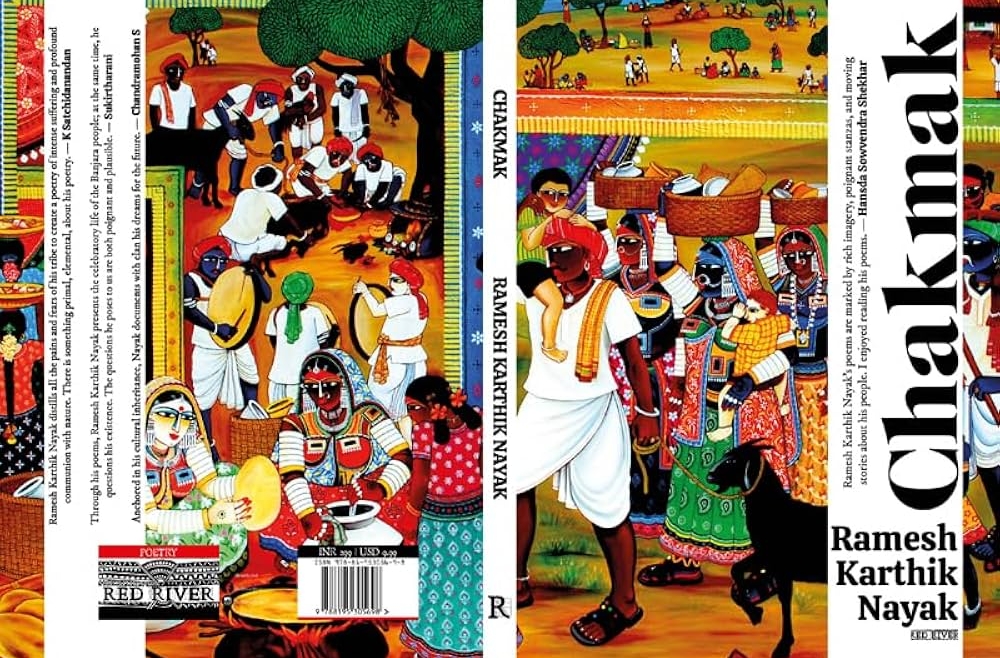
In this conversation, renowned poets Vinita Agarwal and Ramesh Karthik Nayak discuss their respective collections Eartha and Chakmak. The conversation also touched upon the role of poetry- should it be a call for environmental activism or invite readers to reflect deeper on their relationship with the natural world?
Vinita Agrawal lives in Indore, India. She has authored six books of poetry and edited two anthologies on climate change. She is the recipient of the Jayanta Mahapatra National Award for Literature 2024, the Proverse Prize Hongkong 2021, the Rabindranath Tagore Literary Prize 2018 and the Gayatri GaMarsh Memorial Award for Literary Excellence, USA, 2015. She co-edits the Yearbook series of Indian Poetry in English.
She was former Poetry Editor with Usawa Literary Review. She has also authored a children’s fiction book Jade and the Harmony Flyers. She has been published in Global South, Pratik, Mascara Review, Indian Literature, Asian Cha, Voice and Verse, The Bombay Literary Magazine and the Canary, Parcham among others. She is on the Advisory Board of the Tagore Literary Prize.
Ramesh Karthik Nayak is the winner of the Sahitya Akademi Yuva Puraskar in Telugu for the year 2024 for his short story collection, “Dhaavlo”. He is the first tribal and youngest Telugu author to receive this honour at the age of twenty-six. He is a bilingual poet, short-story writer, editor and translator from Telangana. He has seven books to his credit, six in Telugu, and a poetry collection in English, Chakmak, which was awarded the 2024 Muse India Young Writer Award in the Poetry category. He is one of the first writers in Telugu to depict the voice, identity and lifestyle of the Banjaras.