For many of us, especially readers of this newsletter, the call of the wild is more than just an earworm; it is a constant tug at our knotted hearts and wandering minds that propels us to commit to nature one way or the other.
The decision to do my bit for nature through the written word was a recent one. As a child, I watched wildlife documentaries incessantly. I also grew up spending time on my mother’s estates that were bifurcated by a river, and ridden with snakes, spice trails and of course, estate staff, cows and coconut husk!I suppose what it did – growing up outdoors, and observing animals in proximity or through natural history films, was to create a lifelong love for nature and a fairly academic interest in animal behaviour, including peeking at elephants from afar when they would come to my mum’s estate for free ola (coconut leaves).
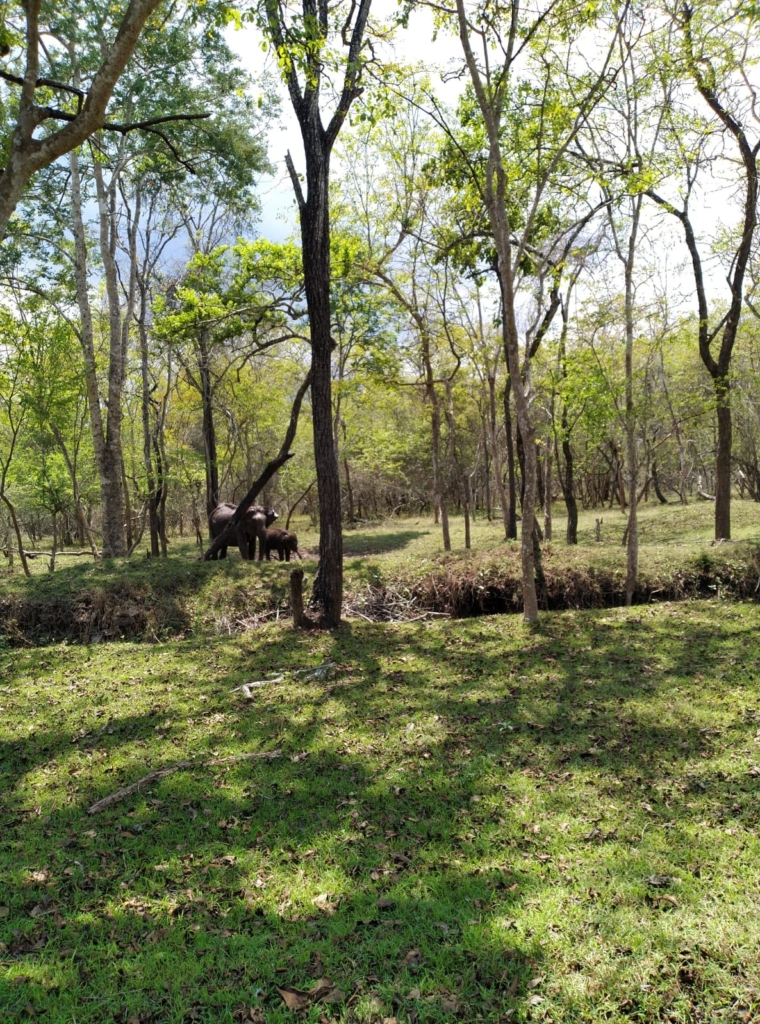
This love came knocking again during the pandemic when I binge-watched on blue chip documentaries that showcased nature’s beauty with cinematic splendour. I was particularly captivated by the BTS documentary that was released alongside Disney’s Elephants. It irrevocably shifted my love for wildlife into a sense of awe for wildlife filmmakers who spent their lives trailing individuals and herds, cataloguing animal behaviour while filming hair-raising, jaw-dropping sequences.
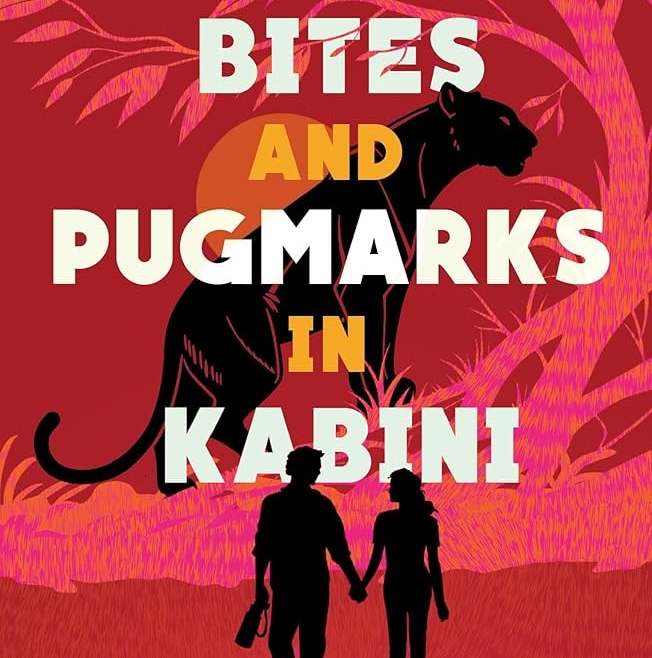
Call it serendipity or just fate, but around this time, wildlife documentaries by Indian filmmakers were suddenly everywhere across various OTT platforms. I began to watch the end credits judiciously to connect with production houses, wildlife filmmakers and their teams. The black panther of Kabini too had gone viral. That’s when it hit me! My third book, for which I had been fiddling around with multiple plots, could be about a wildlife filmmaker and the leopards of Kabini.
More importantly, I realised that through the book, I would finally be able to communicate the dual emotions that had gripped me– the eco-grief (around the state of eco-tourism) and my newfound love and wonder (for wildlife filmmakers and their craft).
Trips to Kabini followed. I was armed with a bad phone camera, even worse storage space, frizzy hair and a skin that was touchier than a touch-me-not. But I was determined to start my research and meet filmmakers, forest officers, scientists, naturalists et al.
I remember this listless afternoon in a canter from 2022. Most of my canter-mates had pulled out their mirrorless cameras and skittered to one side of the vehicle to get a clean view of a tiger that lay snoozing at least 500m away. I stuck to my seat. I was neither big cat crazy nor did I possess a good camera phone. But a few moments later, I leaped out of my seat, pointed to my right, and shrieked with excitement.
‘Tiger?’ asked my friend sitting to my left.
No! I had spotted a filmmaker in the forest!
To my delight, Kabini was raining wildlife filmmakers that summer and a few of them agreed to a face-to-face interview. One took me through the contraptions of his filming vehicle; another showed me his crew’s equipment and others shared with me the art and craft of wildlife filmmaking, and slowly, (while taking notes furiously), I began to make sense of their world.
But I still needed to understand the forest, its terrain, trees and indigenous communities. With the help of a wildlife photographer friend, I made a list of places I needed to see. The Range Forest Officer stationed at that time turned out to be godsend in this regard.
Initially, like all my interviewees, the man was confused about what to do with me. I was not a filmmaker, nor a scientist; not even a selfie-mongering tourist! I was an author, researching on Kabini and its leopards, without a background in wildlife biology.
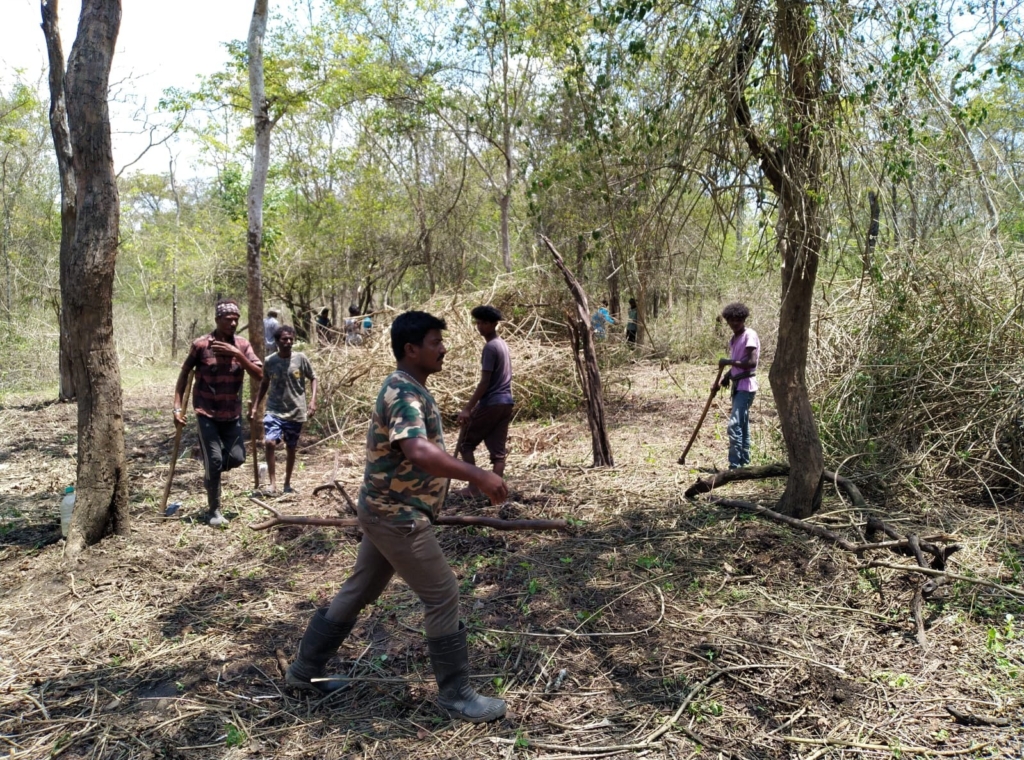
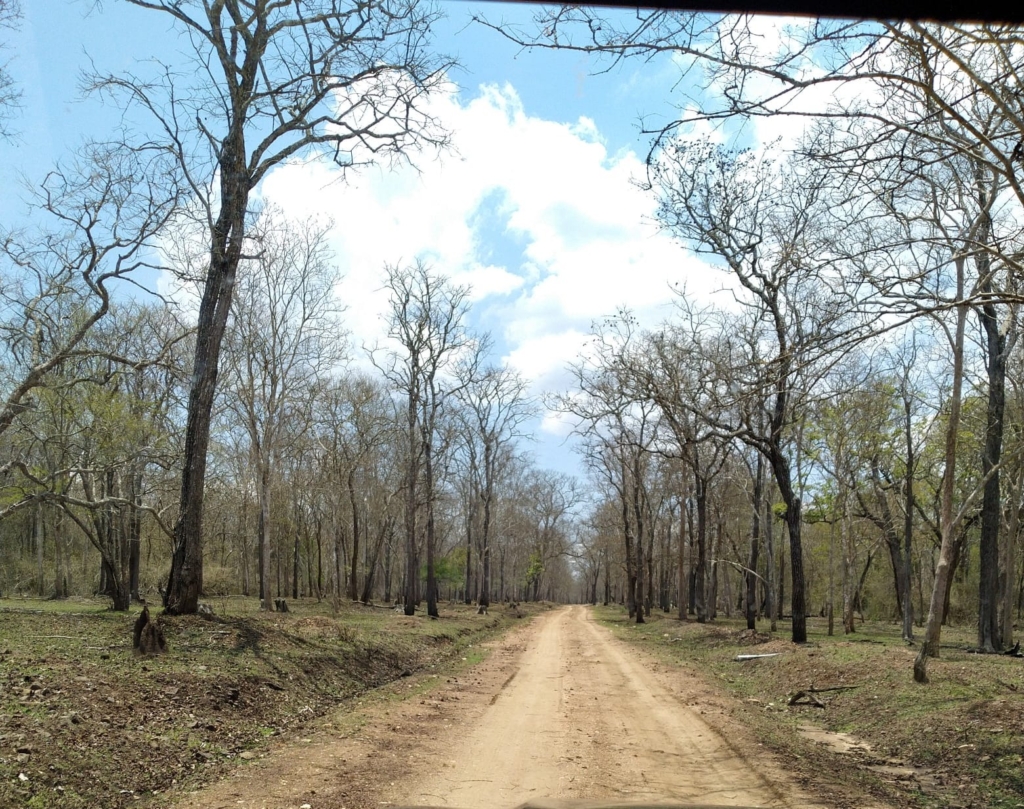
Perhaps, overtaken by pity, he showed me the black panther’s favourite haunts, the lantana clearance project carried out by the Kurubas in the forest, the many water holes cradled between stretches of crocodile bark trees and the watch towers that pole vaulted into the sky.As details began to fill my pages, my childhood interest in leopards also made me extrapolate animal behaviour recorded across the world to namma Kabini. If the park was getting crowded with big cats (owing to a rise in numbers and shrinking habitats), what was the impact going to be on the mating patterns of its leopards? If fields and plantations drew prey out of the forest, would it draw predators out too, leading to an increase in human-animal conflict? Slowly but definitively, the book became a means of pushing the conversation on conservation.
All this while, I had also been tracking news about Nagarahole and Bandipur. Real, reported cases of poaching seamlessly blended into the plotline that I had developed for the book. A case in which the Supreme Court convicted six poachers helped shape my finale scene. The book was heavy on research, reportage and romance, just as I had wanted it to be.
But were publishers going to be impressed?
In the summer of 2024, two years after I had first set foot in Kabini, I sent off my book to publishing houses, most of whom thought it was a submission of two different books- one about leopards and the other a love story. Those who realised that it was a single submission turned it down; the point of view of leopards in the book, though interesting, was way too unusual and too much of a gamble for them. It took a publishing house and an Editor with an avid interest in wildlife to bet on this genre-defying tale and sign me on in January 2025. A whole year later, the book was out.
When people ask me why I chose to write this book, my answer is simple:

There is beauty in every beast, and the right to life for every creature.
As humans, we leave our footprints everywhere; perhaps we should leave some space for chirping and pugmarks too.
Lakshmy Ramanathan,
Author,
Love Bites and Pugmarks in Kabini
Published by: Bloomsbury