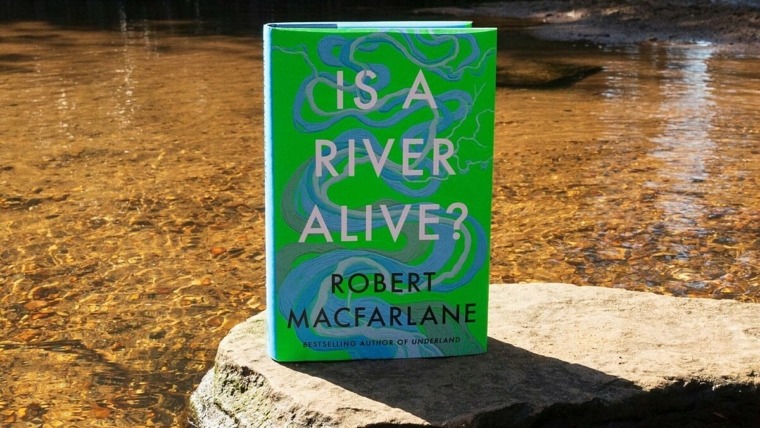
Did you know that humanity’s first mirror was a body of water? Long before metal and glass surfaces, our ancestors peered into rivers and ponds to see what they looked like without a fellow being having to groom them to their liking. This discovery was so captivating (as the Greek legend goes) that Narcissus, son of the river god Cephissus, was unable to look away when he caught sight of his reflection.
If he looked into our waters today, he might recoil.
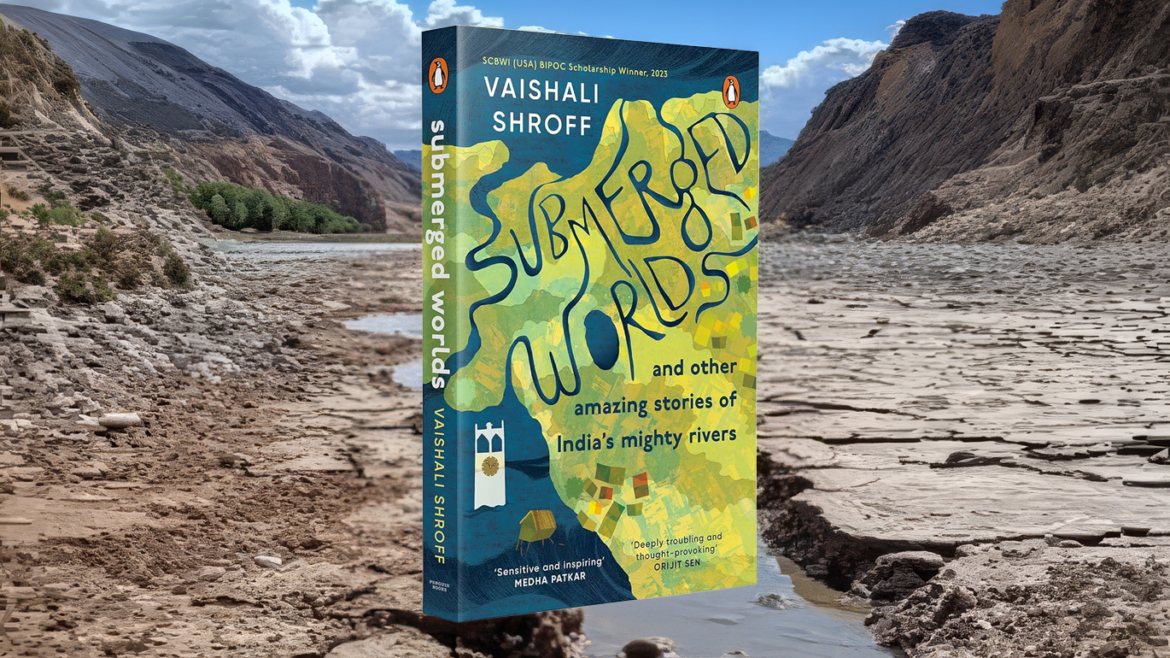
Submerged Worlds by Vaishali Shroff takes us on a plunge into India’s rivers – the lifelines around which early human civilisations developed and flourished. Beyond sustaining life, rivers also flow through our songs and stories that have been passed down across generations – sometimes appearing as backdrops and other times as protagonists.
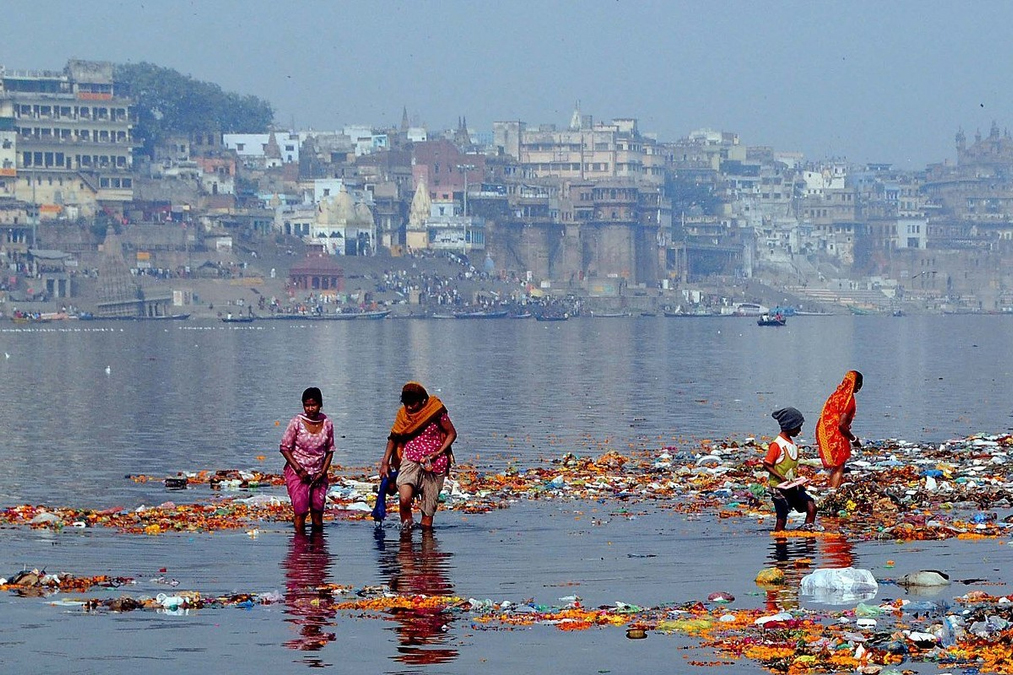
The book draws a connection between mythology and man-made crises, tracing how reverence slowly paved the way for neglect. Today, polluted water bodies are in many ways a reflection of ourselves – mirroring our lives of material excess, neglect, and worst of all, our indifference.
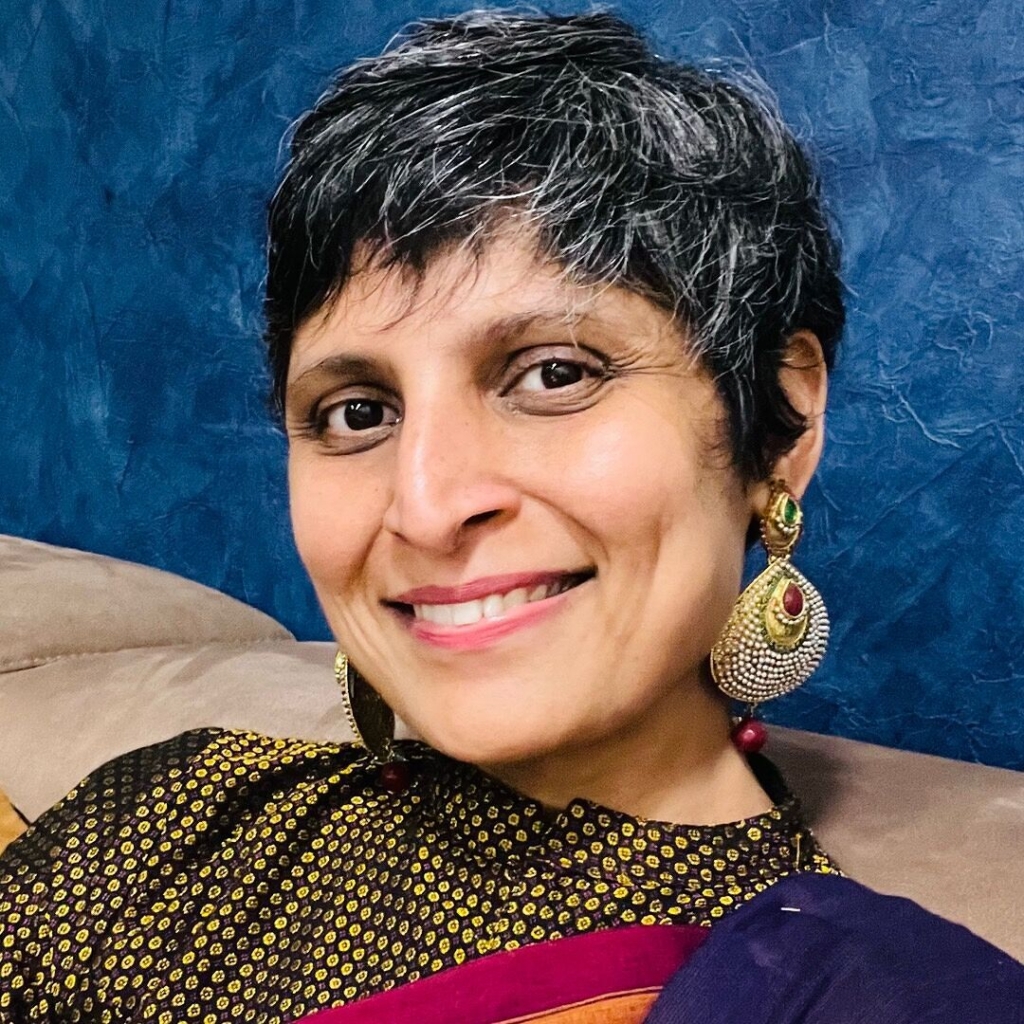
In an email interview with Shroff, we take a deeper dive:
Your approach of intertwining mythology with environmental storytelling is fascinating. What inspired you to explore this perspective? Do you think children are more likely to connect with the mythological elements or environmental themes?
Everything in this universe is interconnected. Including stories—they don’t exist in isolation. Whether it’s the story of the Ganga where I go from epics to exploring the tradition of cremation and salvation homes and tying them to the messy ground realities, or the story of the Saraswati where I explore how traditional beliefs have defined the river as being a mythical one and how it’s one of the reasons for the government to spend tonnes of money to revive a potential underground river while completely ignoring dying rivers, or the story of small and disappearing rivulets such as Varuna and Assi, each one of them unveil a deeper truth about river ecosystems—that worshipping rivers in our country is merely symbolic. If we want to truly worship them, we need to keep them clean and safe from human activities. Why do we build riverfronts?
If Ganga is worshipped then why do we keep it so dirty? Why do we need to displace people to build dams? These are some of the questions young readers have asked me. They are discerning individuals. They understand environmental issues and are more aware and involved than our generation ever will be. Mythology may lead the way in some stories and help to build their interest, but it does not take away from the core story.
Communities like the Majhis and Mallahs are intimately connected to the natural world and possess a deep understanding of their workings. However, their voices are often overlooked in larger conversations around the environment. What do you think can bring greater attention to their perspectives?
For generations, the Majhis and Mallahs have been boatmen and divers or gotakhors. Their lives, the lives of their families, depend on rivers like the Ganga and the Brahmaputra. As the rivers get more and more polluted, as modern options such as speedboats and cruises are introduced, their livelihoods stand threatened. To start with, it’s important to acknowledge that they have been plying boats for thousands of years! What they do is part of our national heritage and that needs to be conserved.
Those in power could do so much to improve the standard of living of communities like theirs: supporting their livelihoods and improving their socio-economic conditions, educating their children, providing healthcare, since a lot of what they do is very risky, including them in decision making and political agendas so their rights can be protected. As individuals, we can help them by choosing a boat ride with them over speed boats and by treating them with the respect they deserve.
Could you please tell us about a memorable incident or experience from your research for the book?
This book connected me with so many people who are working relentlessly for rivers. One person led me to another and another and it was a beautiful journey to be on. One of the stories was on the Narmada Bachao Andolan (NBA). An expert introduced me to one of the karyakartas who was with the NBA from the beginning. He was also an oustee, that is, a person affected because of the construction of a dam. He gave me great insight into what happens when a dam is commissioned and how entire villages are displaced and submerged.
During one of our conversations, he asked me if I would like to speak with big dam activist, Medha Patkar. I had no idea I could reach out to her. He asked me to call her but I was hesitant: what if she didn’t have time for me and my queries? So, I left her a text. Soon my phone rang. It was her. She was on a train going for a court hearing for a farmer and her first lines were, ‘I’ve been waiting for your call. Why didn’t you just call me?’ It was such a wonderful and humbling experience to work on that story with Medha Tai. She was so kind and generous with her time. She not only helped me write the story over many phone calls, but also printed and reviewed it thrice and she couriered me a handwritten Foreword for my book as well. I feel blessed.
Nation building vs. ecological preservation – this seems to be the debate for most infrastructural projects in the country. Do you think development will inevitably demand some form of environmental sacrifice or can a balance be struck?
Ecological preservation is nation building. This question reminds me of that picture where the wall is built around a tree trunk because the tree was there first. It’s possible to plan our infrastructure while being mindful of the natural world around us. We should not forget for a moment that we are an integral part of this natural world. Safeguarding of our environment should be a priority, not an option.
Do we need infrastructure? Yes, we do. We need infrastructure that makes sense, that will actually make our lives better. And not just in cities. In small towns and villages, too.
Do we need to build it at the cost of the environment? Certainly not. If we consult the right experts: riverine scientists, urban planners, etc. we can build infrastructure while preserving our natural ecosystems.
If you were in charge of governing India’s rivers for a day, what are the top three things that you would do?
I would love being in charge. Here’s what I would do.
- Put a complete ban on making religious offerings in rivers. This includes flowers and other biodegradable stuff as well.
- Mark floodplains and ensure that any construction along riverbanks does not violate feasibility reports.
- Ensure that water treatment plants in rivers are adequate and operational.
- One more, please? Enforce strict laws that prohibit industries from dumping their untreated waste into rivers and impose heavy penalties on those who fail to comply.
- Can’t seem to stop myself: decommission obsolete dams, nab those who are into illegal sand mining, acknowledge and support riparian communities, support organisations that work towards the revival of rivers and ensure that oustees are appropriately rehabilitated and resettled.

Lakshmi Ravinder Nair is a conservation writer on a mission to make environmental science and sustainability issues clear and relatable. Her articles have been featured in publications like Current Conservation, Journal of Threatened Taxa and SustainabilityNext. Through her background in content marketing, she uses fact-based storytelling to spark curiosity about the richness of our natural world and the importance of protecting it.